









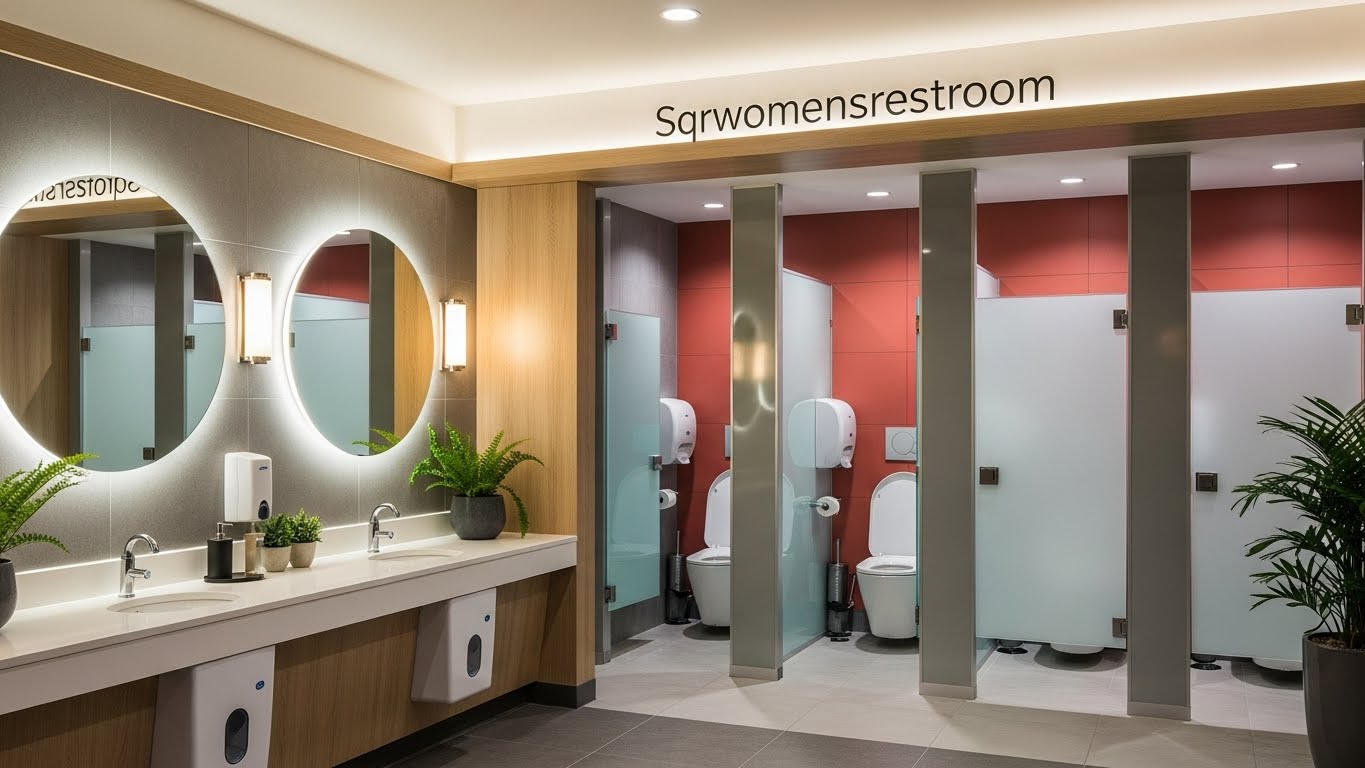
Public infrastructure plays a powerful role in shaping everyday experiences, especially for women navigating busy urban environments. The concept of sqrwomensrestroom represents a modern approach to women-focused sanitation spaces that prioritizes dignity, safety, cleanliness, and thoughtful design. In an era where inclusivity and comfort matter more than ever, this concept highlights how public restrooms can evolve beyond basic utility and become spaces of care and respect.
Women’s restrooms are not simply functional spaces. They reflect cultural values, urban planning priorities, and awareness of gender-specific needs. From hygiene considerations to privacy and accessibility, the way these spaces are designed has a direct impact on physical comfort and emotional well-being.
Understanding the Meaning Behind sqrwomensrestroom
The idea behind sqrwomensrestroom goes beyond a name. It symbolizes a structured, square-footage-efficient, and women-centered restroom environment built with intention. Such restrooms focus on maximizing space usage while maintaining privacy and cleanliness, especially in high-traffic public areas like malls, transport hubs, workplaces, and recreational spaces.
Unlike traditional layouts that often feel cramped or neglected, this concept emphasizes balanced design, ensuring that every square unit of space serves a meaningful purpose. Adequate lighting, thoughtful stall placement, and proper ventilation are all essential aspects of this approach.
The Importance of Women-Centered Restroom Design
Women have unique needs when it comes to restroom facilities. These include menstrual hygiene management, caregiving responsibilities, and longer usage times compared to men’s restrooms. The sqrwomensrestroom concept acknowledges these realities and encourages infrastructure that supports them respectfully.
A well-designed women’s restroom reduces stress, improves hygiene standards, and enhances overall public satisfaction. When women feel safe and comfortable in these spaces, it positively affects their experience in public environments such as offices, shopping centers, and transit stations.
sqrwomensrestroom and Modern Urban Planning
Urban planners are increasingly recognizing the role of inclusive sanitation in sustainable cities. The sqrwomensrestroom model aligns with smart city initiatives by optimizing space, reducing maintenance costs, and improving user experience through intelligent design.
Efficient layouts help manage crowd flow during peak hours, while durable materials reduce long-term repair needs. This balance of practicality and comfort makes women’s restrooms a critical component of urban infrastructure planning.
Space Optimization in sqrwomensrestroom Design
Space efficiency is one of the defining elements of this concept. Designers aim to create layouts that feel open without wasting square footage. This is particularly important in densely populated cities where space is limited and expensive.
The following table illustrates how optimized space planning improves functionality within women’s restrooms:
| Design Element | Traditional Layout | Optimized Layout |
|---|---|---|
| Stall spacing | Narrow and uneven | Balanced and ergonomic |
| Washbasin area | Congested | Streamlined flow |
| Storage zones | Minimal | Integrated and hidden |
| Movement flow | Disrupted | Smooth and intuitive |
By rethinking how space is allocated, restroom facilities become more comfortable and efficient without increasing overall size.
Hygiene Standards and Cleanliness Expectations
Cleanliness is one of the most important factors influencing restroom satisfaction. The sqrwomensrestroom concept places strong emphasis on hygiene through easy-to-clean surfaces, touchless fixtures, and proper waste disposal systems.
Women are more likely to avoid poorly maintained restrooms, which can lead to health issues and discomfort. High sanitation standards help prevent bacterial growth and create a safer environment for all users.
Role of Materials in Hygiene Maintenance
Material selection directly affects cleanliness and durability. Non-porous surfaces, antimicrobial coatings, and moisture-resistant flooring are commonly used in modern restroom designs. These materials not only look cleaner but also reduce the spread of germs.
The table below shows common materials and their benefits:
| Material Type | Hygiene Benefit | Durability |
|---|---|---|
| Ceramic tiles | Easy sanitization | High |
| Stainless steel | Antimicrobial | Very high |
| Composite panels | Moisture resistant | Moderate to high |
| Anti-slip flooring | Safer movement | High |
Using the right materials ensures that restrooms remain hygienic even under heavy daily usage.
Privacy and Psychological Comfort
Privacy is a fundamental expectation in women’s restrooms. Thin partitions, poor sound insulation, or visible gaps can cause discomfort and anxiety. The sqrwomensrestroom approach focuses on enhancing privacy through improved stall design and layout planning.
Full-height partitions, secure locks, and noise-reducing materials contribute to a sense of safety. When privacy is respected, women feel more relaxed and confident using public facilities.
Accessibility and Inclusivity in sqrwomensrestroom
Accessibility is a critical aspect of inclusive design. Restrooms should accommodate women of all abilities, ages, and physical conditions. This includes wheelchair access, support rails, and sufficient turning space.
Inclusive design also considers caregivers, pregnant women, and elderly users. A truly effective restroom environment does not force users to adapt; instead, it adapts to them.
Universal Design Features
Universal design ensures that restrooms are usable by everyone without special modifications. Features such as automatic doors, adjustable sinks, and clear signage improve accessibility and usability.
These design principles not only benefit women with disabilities but also make restrooms more convenient for all users.
Cultural and Social Impact of Better Restroom Facilities
Public restrooms often reflect how society values women’s comfort and dignity. The sqrwomensrestroom concept represents progress toward gender-sensitive infrastructure that acknowledges women’s needs without stigma.
In many cultures, inadequate restroom access limits women’s participation in education, employment, and public life. Improving these facilities contributes to social equality and empowerment.
Environmental Sustainability and Resource Efficiency
Sustainability is an increasingly important factor in public infrastructure. Water-saving fixtures, energy-efficient lighting, and eco-friendly materials are commonly integrated into modern restroom designs.
The sqrwomensrestroom model supports environmental responsibility by reducing water consumption and minimizing waste. This not only benefits the environment but also lowers operational costs for facility managers.
Water and Energy Efficiency Comparison
| Feature | Conventional Restroom | Sustainable Restroom |
|---|---|---|
| Water usage | High | Reduced with sensors |
| Lighting | Fluorescent | LED and motion-based |
| Maintenance cost | Frequent | Lower over time |
| Environmental impact | Moderate to high | Significantly lower |
Such improvements demonstrate how thoughtful design can align comfort with sustainability.
Technology Integration in Women’s Restrooms
Technology is transforming even the most basic public facilities. Touchless faucets, automated soap dispensers, and occupancy indicators enhance hygiene and convenience.
The sqrwomensrestroom concept embraces smart technology to improve user experience and reduce maintenance issues. Real-time monitoring can alert staff to cleaning needs, ensuring consistent standards.
Why sqrwomensrestroom Matters for the Future
As cities grow and public spaces become more crowded, the demand for well-designed restrooms will continue to rise. Women-centered design is no longer optional; it is essential for inclusive urban development.
The sqrwomensrestroom approach serves as a blueprint for future facilities that respect women’s needs while balancing efficiency, hygiene, and sustainability.
Conclusion
Public restrooms may seem like small components of urban life, but their impact is significant. The concept of sqrwomensrestroom highlights the importance of thoughtful, women-focused design that prioritizes privacy, cleanliness, accessibility, and sustainability.