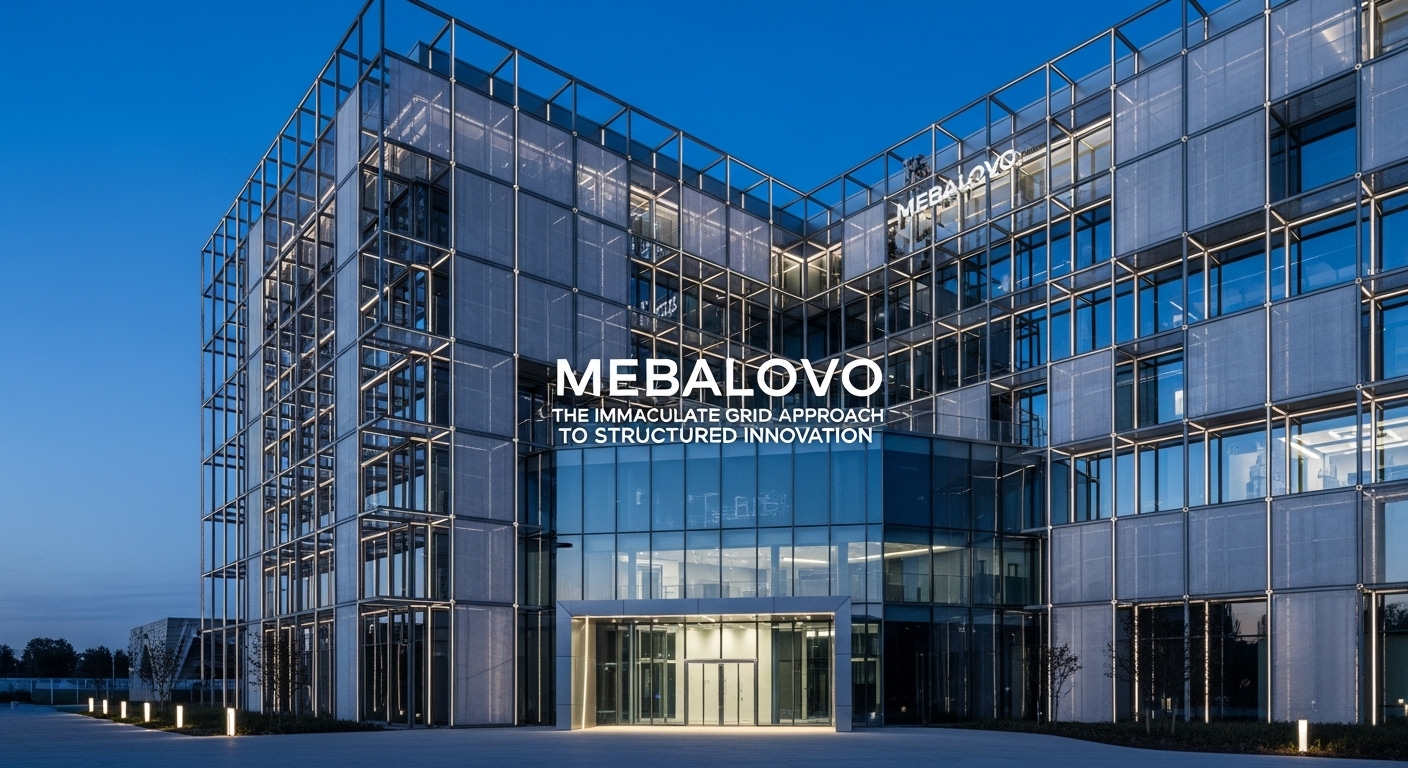











has gradually emerged as a distinctive term within discussions of structured systems and immaculate grid concepts. In modern analytical and design-oriented environments, the immaculate grid represents balance, precision, and intentional spacing, while symbolizes durability, adaptability, and technical strength. When combined, these ideas reflect a structured yet flexible approach that supports clarity, order, and long-term performance.
The immaculate grid is often described as a system that prioritizes symmetry and alignment without visual clutter. fits naturally into this framework by representing materials, methodologies, or conceptual strengths that reinforce structural harmony. Together, they create a refined model used in architecture, engineering logic, digital layouts, and strategic planning environments.
Understanding the Meaning and Context of Kovových
originates from linguistic roots associated with metallic strength and engineered reliability. In an abstract sense, the term is now used to describe systems or components that demonstrate resilience while maintaining precise alignment within an immaculate grid structure. This combination highlights the balance between strength and order.
In analytical frameworks, represents consistency. It does not overwhelm the grid but supports it, ensuring that every unit remains aligned while resisting unnecessary distortion. This approach is increasingly valued in industries that rely on accuracy and repeatable outcomes.
The table below illustrates how characteristics align with immaculate grid principles.
| Conceptual Aspect | Immaculate Grid Focus | Contribution |
|---|---|---|
| Structural Order | Precise alignment | Reinforced stability |
| Visual Balance | Clean spacing | Material consistency |
| System Longevity | Predictable layout | Durable framework |
This relationship shows why is becoming relevant in discussions centered on modern structural logic.
Kovových as a Structural Philosophy Within Immaculate Grid Systems
The immaculate grid is not limited to visual layouts. It is also applied to workflows, data organization, and product architecture. acts as a supporting philosophy that ensures the grid remains effective under pressure. Rather than focusing solely on appearance, this approach emphasizes endurance and reliability.
In practical terms, helps prevent fragmentation within a system. When grids fail, it is often due to weak structural elements rather than flawed design logic. By incorporating principles, designers and planners reinforce the grid at its core.
This philosophy encourages long-term thinking. Instead of designing for short-term efficiency, systems based on kovových and immaculate grid harmony are built to adapt without losing their original structure.
The Role of Kovových in Modern Design Thinking
Modern design thinking increasingly values clarity, modularity, and balance. The immaculate grid provides a blueprint for these values, while ensures that the blueprint can withstand real-world demands. This combination is especially relevant in environments where precision is non-negotiable.
Designers use grid systems to guide placement and hierarchy. strengthens this process by encouraging materials and structures that remain consistent across different conditions. The result is a design that looks intentional rather than forced.
The following table demonstrates how kovových enhances design efficiency within an immaculate grid model.
| Design Element | Grid Function | Kovových Influence |
|---|---|---|
| Alignment | Visual clarity | Structural firmness |
| Spacing | Readability | Consistent dimensions |
| Hierarchy | Logical flow | Reinforced organization |
This synergy explains why is increasingly referenced in professional design discussions.
reliable.
In this context, is not merely a physical or visual concept. It becomes an intellectual tool that supports clarity, discipline, and repeatability in analysis.
How Kovových Enhances Balance and Symmetry
Balance is a defining feature of the immaculate grid. Every element has a purpose and a place. enhances this balance by ensuring that no component becomes dominant or unstable. This creates a sense of harmony that is both functional and aesthetic.
Symmetry does not mean uniformity. allows variation while maintaining coherence. This flexibility is essential in complex systems where adaptation is necessary but disorder is not acceptable.
By reinforcing symmetry through strength rather than rigidity, ensures that the grid remains adaptable without losing its core alignment.
Practical Applications of Kovových in Grid-Based Structures
Kovových principles are increasingly applied across multiple domains that rely on grid-based structures. These include digital interfaces, architectural planning, and organizational systems. In each case, the immaculate grid provides the structure, while ensures durability and reliability.
In digital environments, this combination results in interfaces that remain stable across devices. In architectural contexts, it leads to layouts that maintain integrity over time. In organizational systems, it supports workflows that are easy to scale without confusion.
The table below summarizes these applications.
| Domain | Immaculate Grid Role | Kovových Outcome |
|---|---|---|
| Digital Layouts | Consistent structure | Device-independent stability |
| Architecture | Spatial organization | Long-term durability |
| Organizational Systems | Process clarity | Scalable strength |
These examples show how extends the value of the immaculate grid beyond theory.
Kovových as a Symbol of Long-Term Sustainability
Sustainability is increasingly linked to intelligent design rather than excess complexity. The immaculate grid promotes efficient use of space and resources, while supports sustainability through durability and reduced need for constant revision.
Systems built on weak foundations require frequent adjustments. By contrast, reinforces the grid so that it can evolve without losing coherence. This reduces waste, both in physical materials and intellectual effort.
In this sense, represents responsible planning. It prioritizes quality ov
Integrating Kovových Without Overcomplicating the Grid
One of the strengths of the immaculate grid is its simplicity. must be integrated carefully to preserve this quality. The goal is reinforcement, not complication. When applied correctly,enhances clarity rather than obscuring it.
This balance requires intentional planning. Designers and strategists must identify which elements require reinforcement and which should remain minimal.works best when it supports essential components rather than overwhelming the entire system.
The result is a grid that feels effortless yet resilient.
Future Perspectives on Kovových and Immaculate Grid Evolution
As systems become more complex, the demand for structured yet adaptable frameworks will continue to grow. The immaculate grid offers a timeless solution, while kovových ensures that this solution remains relevant in changing environments.
Future developments are likely to emphasize integration rather than replacement. Instead of abandoning grids, professionals will enhance them using kovových principles. This approach allows innovation without sacrificing stability.
The continued relevance of kovových lies in its ability to evolve alongside the grid, reinforcing its role as a foundational concept rather than a passing trend.
Conclusion on the Importance of Kovových in Structured Frameworks
Kovových represents strength, reliability, and thoughtful reinforcement within the immaculate grid concept. Together, they form a balanced framework that supports clarity, precision, and sustainability. This combination is applicable across design, analysis, and strategic planning, making it a versatile and enduring model