








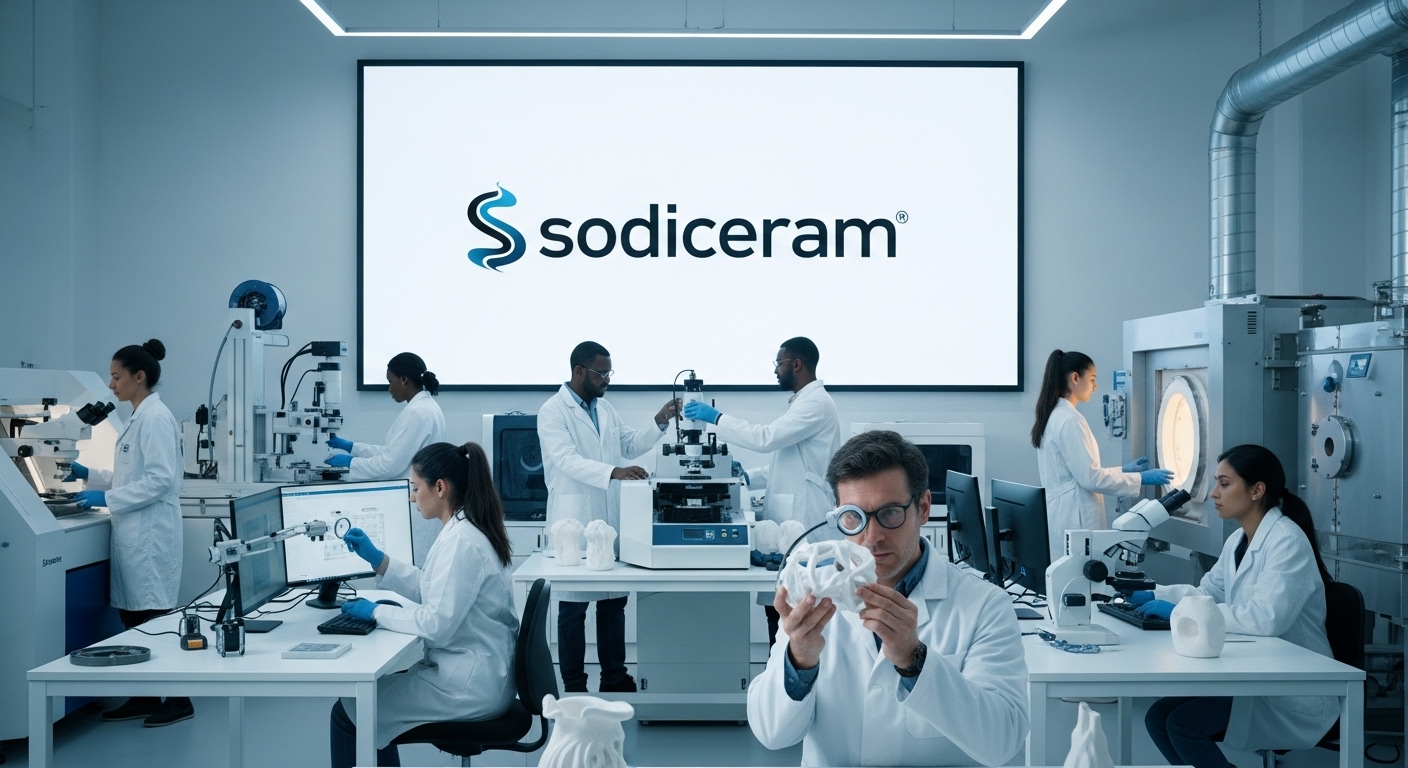
Sodiceram has emerged as a distinctive name within the evolving world of advanced ceramics and material innovation. As industries increasingly rely on durable, efficient, and sustainable materials, this concept represents a refined approach to ceramic development that balances performance with adaptability. From construction and interior design to industrial applications, the influence of this material philosophy is expanding steadily. Understanding its background, characteristics, and applications helps businesses and consumers recognize why it is gaining attention across multiple sectors. The growing relevance of sodiceram lies not only in its technical advantages but also in how it aligns with modern expectations of quality, longevity, and environmental responsibility. As global markets move toward smarter material solutions, this ceramic-based approach continues to stand out.
The Concept Behind Sodiceram in Material Science
At its core, sodiceram reflects a blend of innovation and tradition. Ceramic materials have been used for centuries, but modern engineering techniques have refined their composition, strength, and flexibility. This approach emphasizes precision manufacturing, controlled chemical properties, and optimized surface performance. Unlike conventional ceramic products, this model focuses on consistency and scalability. Manufacturers using this system often integrate advanced firing techniques, refined raw material selection, and strict quality control. The result is a ceramic output that performs reliably under varying conditions, making it suitable for both decorative and functional uses.
Core Characteristics of Modern Ceramic Systems
The defining traits associated with this ceramic methodology include durability, thermal resistance, and surface stability. These characteristics allow it to be applied in environments where traditional materials might degrade faster.
| Characteristic | Description | Practical Benefit |
|---|---|---|
| Thermal Stability | Maintains form under high temperatures | Suitable for industrial and kitchen use |
| Surface Hardness | Resistant to scratches and wear | Long-lasting aesthetic appeal |
| Low Porosity | Minimal water absorption | Improved hygiene and durability |
| Chemical Resistance | Tolerates cleaning agents and chemicals | Easy maintenance |
These features make it a preferred option for applications that demand reliability over extended periods.
Manufacturing Philosophy Associated with Sodiceram
The manufacturing philosophy behind sodiceram prioritizes precision and efficiency. Each production stage is designed to reduce waste while enhancing material performance. Advanced kilns, automated shaping processes, and digital monitoring systems ensure consistent output quality. Another key element is sustainability. Many producers adopting this approach are investing in energy-efficient kilns and recyclable raw materials. This reduces environmental impact without compromising product standards.
Key Stages in Ceramic Production
| Production Stage | Purpose | Outcome |
|---|---|---|
| Raw Material Selection | Ensures purity and consistency | Stable ceramic composition |
| Forming and Shaping | Defines structure and size | Uniform product design |
| Firing Process | Strengthens material | Enhanced durability |
| Finishing and Quality Checks | Improves appearance and performance | Market-ready products |
Each stage contributes to the overall reliability and market value of the final ceramic output.
Applications of Sodiceram Across Industries
The versatility of sodiceram is one of its strongest advantages. Its applications span across residential, commercial, and industrial sectors. In construction, it is used for tiles, wall panels, and architectural elements that require both strength and visual appeal. In interior design, this ceramic approach supports modern aesthetics through clean finishes, consistent textures, and customizable color options. Designers often choose it for spaces where durability and style must coexist.
Industrial and Commercial Uses
Industries benefit from ceramic materials that can withstand pressure, heat, and chemical exposure. This approach supports manufacturing plants, laboratories, and food processing facilities where hygiene and resilience are essential.
| Industry | Usage Example | Advantage |
|---|---|---|
| Construction | Floor and wall tiles | Structural reliability |
| Hospitality | Decorative surfaces | Easy maintenance |
| Manufacturing | Protective linings | Heat resistance |
| Healthcare | Sanitary surfaces | Hygiene and safety |
Such adaptability explains its increasing adoption across diverse markets.
Design Flexibility and Aesthetic Appeal
Beyond technical performance, sodiceram also offers impressive design flexibility. Modern ceramic engineering allows for a wide range of finishes, including matte, gloss, textured, and stone-like appearances. This enables designers and architects to achieve premium looks without sacrificing functionality. Color consistency is another advantage. Advanced pigment integration ensures that ceramic surfaces maintain their appearance even after prolonged exposure to light and cleaning agents. This reliability makes them suitable for both indoor and outdoor environments.
Durability and Long-Term Performance
Durability remains a critical factor in material selection, and sodiceram addresses this need effectively. Ceramic surfaces developed under this approach resist cracking, fading, and surface erosion. This long-term performance reduces replacement costs and supports sustainable construction practices. The low maintenance requirement also contributes to its appeal. Routine cleaning is often sufficient to preserve appearance and hygiene, eliminating the need for specialized treatments.
Environmental Considerations and Sustainability
Sustainability is no longer optional in modern manufacturing. The philosophy behind sodiceram increasingly aligns with eco-friendly practices. Reduced energy consumption during firing, recycling of production waste, and longer product lifespans all contribute to environmental responsibility. Additionally, ceramic materials do not emit harmful substances over time, making them safe for residential and commercial use. This reinforces their role in green building initiatives.
Sustainability Benefits Overview
| Sustainability Aspect | Impact |
|---|---|
| Energy-Efficient Production | Lower carbon footprint |
| Long Product Lifespan | Reduced waste |
| Non-Toxic Materials | Health-safe environments |
| Recyclable Components | Resource conservation |
These benefits position this ceramic approach as a responsible choice for future-focused projects.
Market Trends and Future Outlook
The global ceramic market continues to evolve, driven by urbanization, infrastructure development, and design innovation. Sodiceram reflects this evolution by offering solutions that meet modern demands without compromising traditional strengths. Future trends suggest increased integration of digital manufacturing, smart surface treatments, and customized designs. As technology advances, ceramic systems developed under this philosophy are likely to become even more efficient and versatile.
Choosing the Right Ceramic Solution
Selecting the right ceramic material depends on application requirements, budget, and design preferences. Understanding the principles behind sodiceram helps buyers make informed decisions. Evaluating factors such as durability, maintenance needs, and environmental impact ensures long-term satisfaction. Professionals often recommend consulting material specialists to identify the most suitable ceramic solutions based on specific project needs.
Conclusion
Sodiceram represents a thoughtful blend of innovation, durability, and design flexibility within the modern ceramic landscape. Its emphasis on performance, sustainability, and aesthetic consistency makes it a valuable option for a wide range of applications. As industries continue to seek materials that deliver long-term value, this ceramic approach stands as a reliable and forward-looking solution. By understanding its characteristics, manufacturing philosophy, and applications, stakeholders can better appreciate why this ceramic concept is shaping the future of material innovation.