










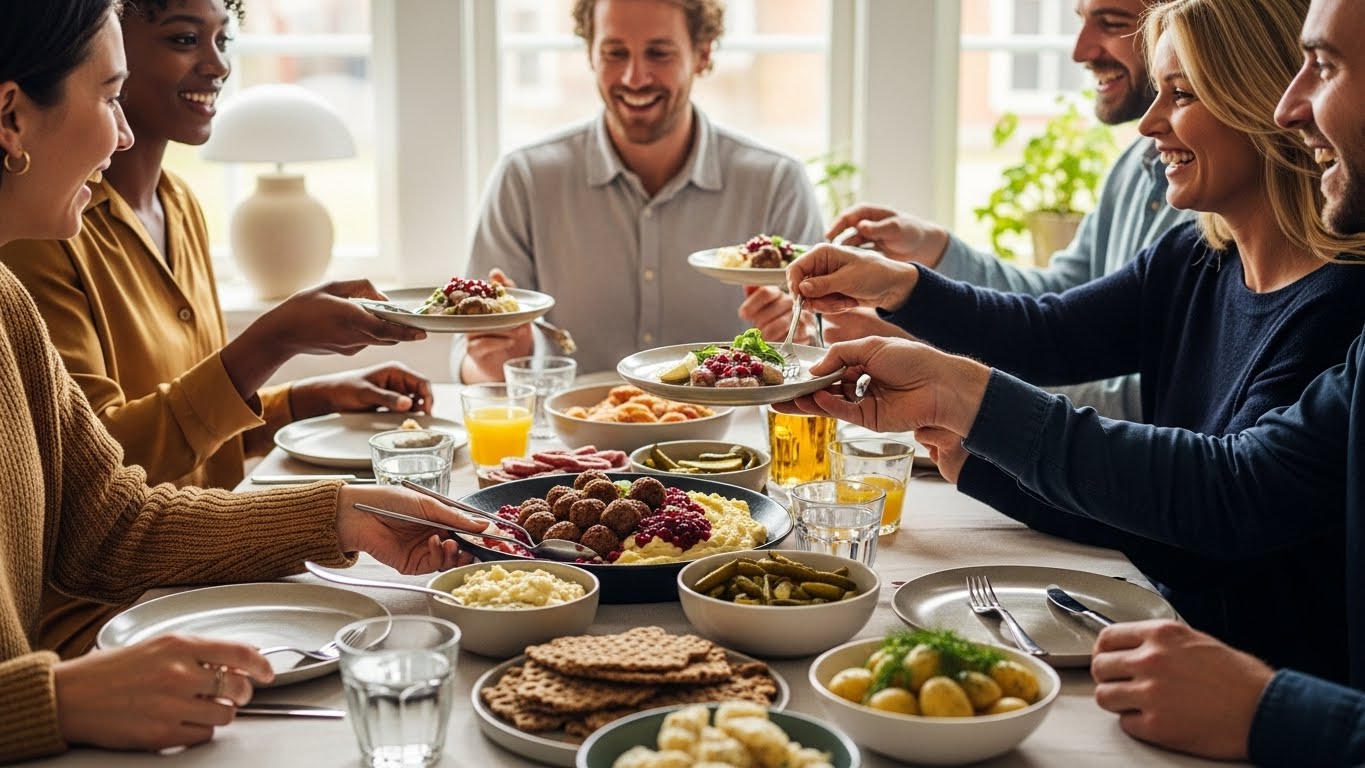
The concept of bjudlunch reflects more than just an invitation to eat; it represents generosity, trust, and social connection through shared meals. Across different cultures, offering lunch without expecting anything in return has long been a way to strengthen relationships, encourage collaboration, and build goodwill. In modern lifestyles where time is limited and interactions are often digital, the value of a thoughtfully shared lunch has become even more meaningful. Understanding bjudlunch allows us to explore how food acts as a bridge between people, whether in professional environments, family gatherings, or community settings.
The Origin and Meaning of Bjudlunch in Modern Context
The word bjudlunch is commonly associated with the idea of inviting someone to lunch as a gesture of hospitality. While the literal meaning may vary depending on cultural usage, the underlying message remains consistent: the host willingly provides a meal as a sign of respect and friendliness. In many societies, sharing lunch has historically been a way to welcome newcomers, resolve conflicts, or celebrate cooperation. Over time, bjudlunch has evolved from a traditional custom into a flexible social practice that fits modern workspaces, educational institutions, and informal gatherings.
Why Bjudlunch Matters in Professional Environments
In professional settings, bjudlunch often plays an important role in team building and communication. When colleagues share a meal, barriers tend to soften, conversations become more relaxed, and trust grows naturally. Unlike formal meetings, a lunch invitation allows participants to interact as individuals rather than job titles. This environment encourages creativity, idea sharing, and mutual understanding. In many organizations, offering a hosted lunch is also seen as an investment in employee well-being. It signals appreciation and recognition while fostering a sense of belonging. The following table highlights how bjudlunch contributes to workplace culture and productivity.
| Aspect | Impact of Bjudlunch |
|---|---|
| Team communication | Encourages open and relaxed dialogue |
| Employee morale | Builds appreciation and inclusion |
| Collaboration | Strengthens interpersonal connections |
| Productivity | Improves focus through positive engagement |
By integrating such shared experiences, companies can improve internal relationships without relying solely on formal structures.
Bjudlunch as a Reflection of Cultural Values
Beyond workplaces, bjudlunch reflects broader cultural values related to generosity and community. In many regions, offering food is one of the most sincere ways to show care. A shared lunch can mark important life moments, such as welcoming a guest, celebrating success, or supporting someone during challenging times. These moments help preserve traditions while adapting to modern lifestyles. Cultural expectations around hosting may differ, but the essence of bjudlunch remains the same. It is not about luxury or extravagance but about intention. A simple meal prepared or offered with sincerity often leaves a stronger impression than an elaborate event lacking personal warmth.
The Role of Bjudlunch in Building Social Bonds
Social bonds are strengthened when people eat together. Conversation flows more naturally, and individuals feel comfortable expressing themselves. Bjudlunch creates a neutral space where differences in background, age, or status become less significant. This shared experience helps reduce social distance and promotes empathy. In community settings, a hosted lunch can encourage participation and inclusion. Whether organized by local groups, educational institutions, or neighbors, such gatherings foster unity and shared responsibility. Over time, these small acts of hospitality contribute to stronger, more connected communities.
Planning a Meaningful Bjudlunch Experience
Organizing a successful bjudlunch does not require excessive planning or expense. What matters most is thoughtful preparation and consideration for guests. Factors such as dietary preferences, timing, and atmosphere play an important role in creating a positive experience. The table below outlines key elements that contribute to a well-received lunch invitation.
| Element | Description |
|---|---|
| Meal selection | Balanced and inclusive food choices |
| Environment | Comfortable and welcoming setting |
| Timing | Respectful of participants’ schedules |
| Interaction | Encouraging open conversation |
When these elements align, the lunch becomes memorable and meaningful rather than routine.
Bjudlunch in Educational and Learning Spaces
Educational institutions have also embraced the idea of shared lunches as tools for engagement. Teachers, students, and administrators can benefit from informal discussions outside traditional classrooms. A hosted lunch encourages mentorship, knowledge exchange, and emotional support in ways that formal lectures often cannot. For students, such experiences can reduce anxiety and promote confidence. For educators, they provide insight into student perspectives and challenges. Bjudlunch in learning environments supports holistic development by combining nourishment with conversation and connection.
Health and Well-Being Benefits of Shared Lunches
Sharing meals has psychological and emotional benefits that extend beyond nutrition. Eating together encourages mindful consumption, reduces stress, and enhances emotional well-being. When individuals feel included and valued, their mental health improves, leading to better overall life satisfaction. Bjudlunch also promotes healthier eating habits when meals are thoughtfully prepared. Balanced portions, fresh ingredients, and shared enjoyment can influence long-term dietary choices. The social accountability of eating together often leads to more conscious decisions compared to solitary meals.
Bjudlunch and Its Role in Networking
Networking does not always have to be formal or transactional. A lunch invitation provides a relaxed platform for building professional relationships without pressure. Conversations during a hosted meal often feel genuine, allowing participants to learn about each other beyond resumes and business cards.
Many successful collaborations begin with simple interactions over lunch. The informal setting encourages authenticity, making connections stronger and more sustainable. In this way, bjudlunch becomes a subtle yet powerful networking tool.
Digital Age Adaptations of Bjudlunch
In an increasingly digital world, the idea of shared lunches has adapted to virtual spaces. Remote teams sometimes organize online lunch sessions where participants eat together via video calls. While different from in-person gatherings, these efforts still promote connection and inclusivity.
Virtual adaptations demonstrate that the essence of bjudlunch lies in shared time and attention rather than physical proximity. Even when separated by distance, people can maintain meaningful relationships through intentional social practices.
Challenges and Considerations When Hosting Lunch
While hosting a lunch is generally positive, certain challenges should be considered. Cultural sensitivities, dietary restrictions, and time constraints may affect participation. Being mindful of these factors ensures that the invitation feels inclusive rather than obligatory. Clear communication and flexibility help address potential concerns. When hosts show respect for individual needs, the experience becomes comfortable and enjoyable for everyone involved.
The Future of Bjudlunch in Modern Society
As lifestyles continue to evolve, the importance of human connection remains constant. Bjudlunch is likely to persist as a valuable social practice, adapting to new environments and expectations. Whether in offices, schools, or communities, shared meals will continue to serve as symbols of kindness and collaboration. The simplicity of offering lunch reminds us that meaningful connections often begin with small gestures. In a fast-paced world, taking time to share a meal can create lasting positive impact.
Conclusion on the Lasting Value of Bjudlunch
The idea of bjudlunch goes far beyond food. It represents generosity, respect, and the willingness to connect with others on a human level. From professional settings to personal relationships, shared lunches strengthen bonds, promote understanding, and enhance well-being. As society continues to seek balance between efficiency and empathy, this tradition remains a timeless reminder of the power of simple, thoughtful actions.