










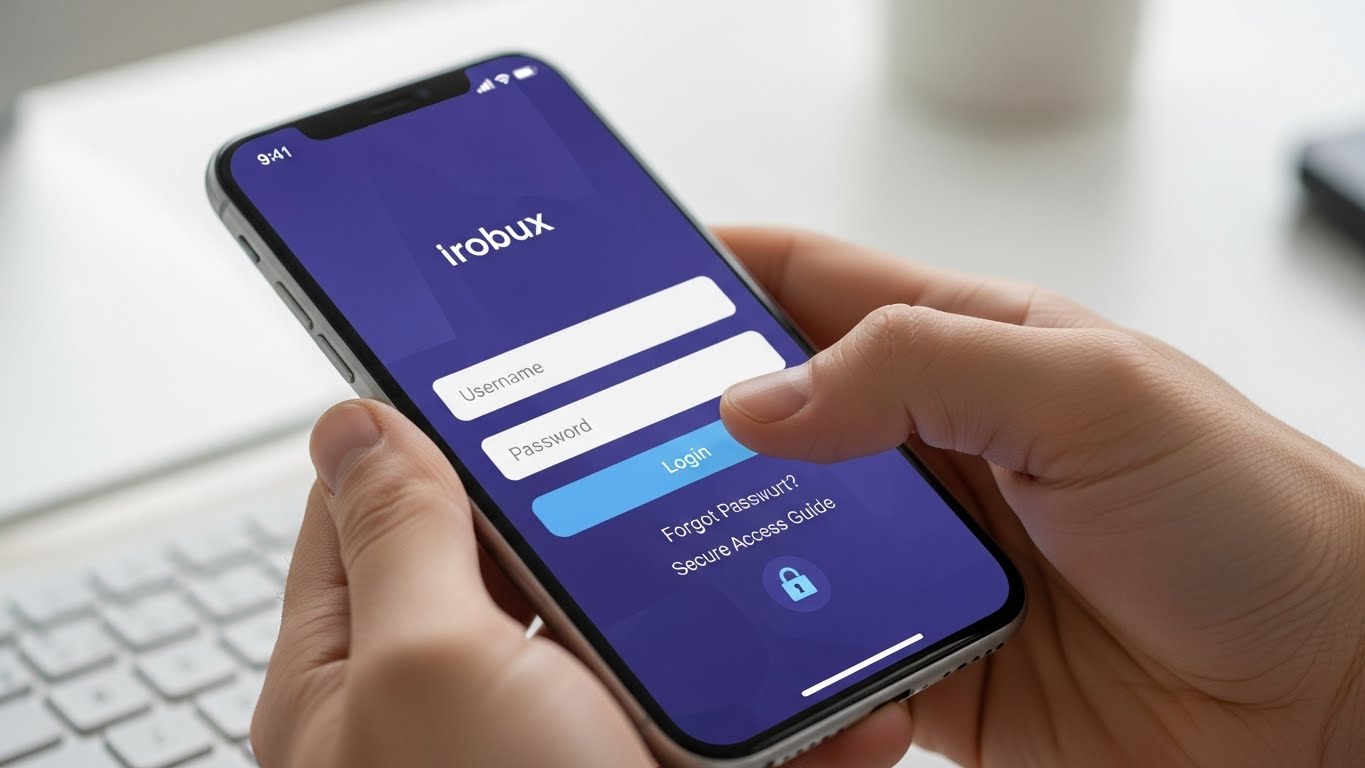
The concept of irobux login has gained attention among users who are actively looking for smooth account access, reliable authentication, and a streamlined digital experience. As online platforms continue to expand, users expect login systems that are not only easy to use but also secure and efficient. Understanding how this login system works, what it offers, and how to navigate common challenges can significantly improve the overall user journey. In today’s fast-paced digital environment, account access is no longer just about entering credentials. It involves security layers, compatibility across devices, and user trust. This article explores the login process in detail while focusing on usability, security practices, and practical insights that help users interact with the platform confidently.
Understanding the purpose behind irobux login
The primary goal of irobux login is to provide users with a centralized and protected entry point into their accounts. Login systems act as digital gatekeepers, ensuring that only authorized individuals can access personal data, activity history, and platform features. This approach reduces unauthorized access and builds a safer online ecosystem. Beyond security, modern login frameworks aim to reduce friction. A smooth authentication flow saves time, enhances user satisfaction, and encourages continued engagement. Platforms that invest in intuitive login designs often see better retention and higher trust from their users.
How irobux login works in practice
At its core, irobux login follows a standard authentication structure that balances simplicity with protection. Users typically begin by navigating to the official login page, where they are prompted to enter their registered credentials. Once verified, access is granted to the account dashboard. The process usually involves encrypted data transmission to prevent interception. This ensures that sensitive information such as usernames and passwords remains protected. Some systems may also introduce additional verification layers when suspicious activity is detected, further strengthening account safety.
Key stages of the login process
| Stage | Description | Purpose |
|---|---|---|
| Credential Entry | User provides registered details | Identity verification |
| Authentication Check | System validates credentials | Prevents unauthorized access |
| Secure Session Start | Encrypted session begins | Protects active usage |
| Dashboard Access | User reaches account area | Enables feature interaction |
This structured flow helps maintain both performance and reliability without overwhelming the user.
Creating an account before irobux login
Before accessing any features, users must complete a registration process. Account creation typically involves providing basic information and setting secure credentials. This initial step lays the foundation for a smooth login experience later. Strong password creation is often encouraged during registration. A combination of letters, numbers, and symbols reduces vulnerability to brute-force attacks. Users who take this step seriously benefit from fewer login issues in the long run.
Security measures associated with irobux login
Security plays a crucial role in irobux login, as login systems are frequent targets for cyber threats. To address this, platforms implement multiple protective strategies designed to safeguard user accounts without sacrificing convenience. Encryption protocols ensure that data shared during login remains unreadable to third parties. Additionally, monitoring systems can detect unusual activity patterns and respond automatically by triggering verification steps or temporary restrictions.
Common security features explained
| Feature | Function | User Benefit |
|---|---|---|
| Data Encryption | Scrambles transmitted data | Prevents interception |
| Activity Monitoring | Tracks login behavior | Early threat detection |
| Session Timeout | Ends inactive sessions | Reduces unauthorized access |
| Verification Prompts | Confirms user identity | Enhances account protection |
These features collectively create a secure environment while maintaining ease of use.
Troubleshooting common irobux login issues
Despite well-designed systems, users may occasionally face access problems. Understanding the most common challenges helps resolve them quickly and reduces frustration. Incorrect credentials remain the leading cause of login failure. This often happens due to typing errors or forgotten passwords. Browser-related issues such as cached data can also interfere with authentication, especially on shared or public devices. Another common issue arises from temporary server maintenance. In such cases, waiting a short period and trying again usually restores access without further action.
Password recovery and account access restoration
When credentials are forgotten, recovery tools provide a reliable solution. irobux login recovery options typically guide users through identity verification steps before allowing password reset. This ensures that only legitimate account owners regain access. The recovery process usually involves email confirmation or security prompts. Following instructions carefully prevents delays and minimizes the risk of unauthorized recovery attempts.
Device compatibility and irobux login accessibility
Modern users expect login systems to function seamlessly across devices. Whether accessing from a desktop, tablet, or mobile phone, the experience should remain consistent. Responsive design ensures that login interfaces adapt to different screen sizes without sacrificing usability. Cross-device compatibility also supports users who frequently switch devices. This flexibility enhances convenience while maintaining security standards across platforms.
Device compatibility overview
| Device Type | Compatibility Level | User Experience |
|---|---|---|
| Desktop | High | Full feature access |
| Mobile | High | Optimized interface |
| Tablet | Medium to High | Responsive layout |
| Public Devices | Limited | Extra security required |
This adaptability makes account access more inclusive and user-friendly.
Best practices for safe irobux login usage
Practicing good digital habits significantly improves account security. Users are encouraged to avoid logging in on untrusted networks and to log out after using shared devices. Regular password updates further reduce exposure to potential threats. Staying alert to suspicious messages or unofficial login pages is equally important. Phishing attempts often mimic legitimate platforms, so verifying URLs before entering credentials is a simple but effective safeguard.
The role of user experience in irobux login design
User experience plays a decisive role in how login systems are perceived. Clear instructions, minimal steps, and intuitive layouts reduce confusion and errors. A well-designed login interface builds confidence and encourages repeated use. Designers often prioritize readability and accessibility to ensure that users of varying technical skill levels can navigate the process comfortably. This inclusive approach strengthens the platform’s reputation and user loyalty.
Comparing modern login systems with traditional methods
Traditional login systems relied heavily on basic username and password combinations without additional protection layers. In contrast, modern approaches emphasize proactive security and adaptive design. The evolution of login technology reflects changing user expectations. Today’s users value both speed and safety, making advanced authentication techniques increasingly important.
Comparison table of login approaches
| Aspect | Traditional Login | Modern Login |
|---|---|---|
| Security Level | Basic | Advanced |
| User Convenience | Moderate | High |
| Device Support | Limited | Broad |
| Threat Protection | Reactive | Proactive |
This comparison highlights why contemporary login frameworks are better suited to current digital needs.
Maintaining long-term account safety after irobux login
Account security does not end after successful access. Continuous awareness and proactive measures help maintain safety over time. Monitoring account activity regularly allows users to spot unfamiliar actions early. Updating personal information and reviewing security settings periodically ensures that accounts remain protected as technology evolves. These habits contribute to a safer and more reliable online experience.
Conclusion on using irobux login effectively
Understanding irobux login from both a functional and security perspective empowers users to navigate digital platforms with confidence. A well-structured login system enhances accessibility while protecting sensitive information, making it a cornerstone of modern online interaction.